What stayed with us
History became human when we stood where people had lived and worked
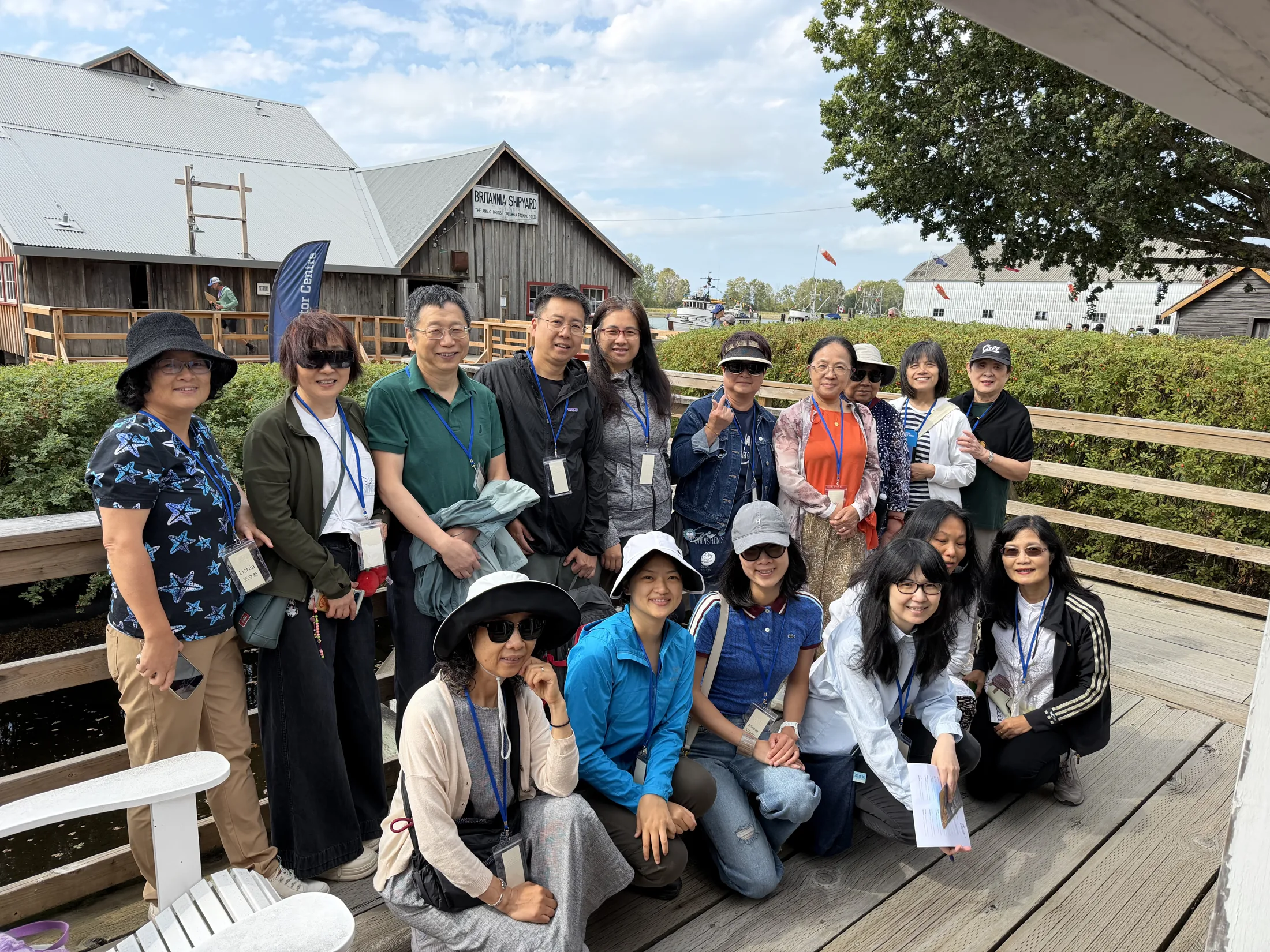
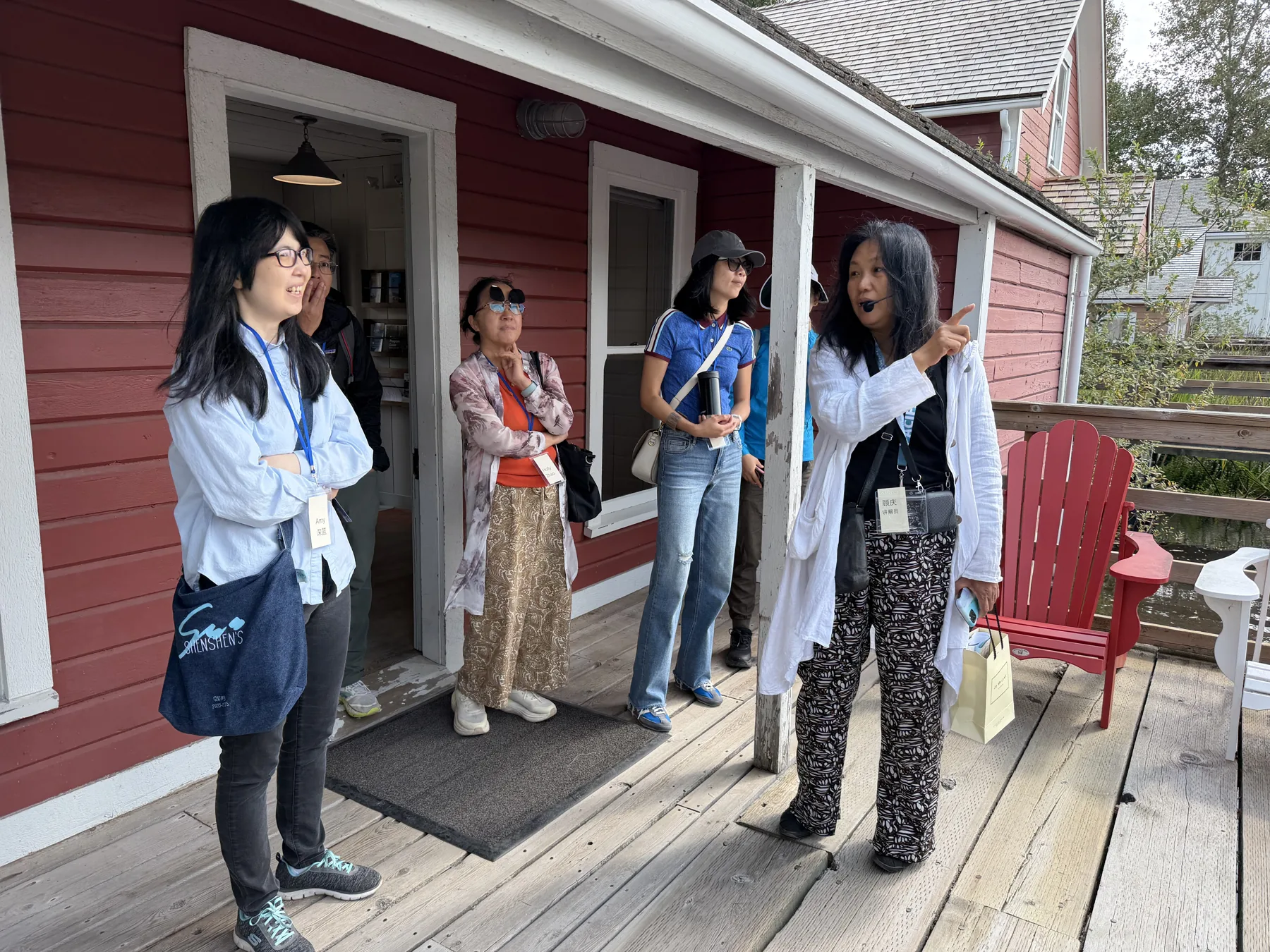
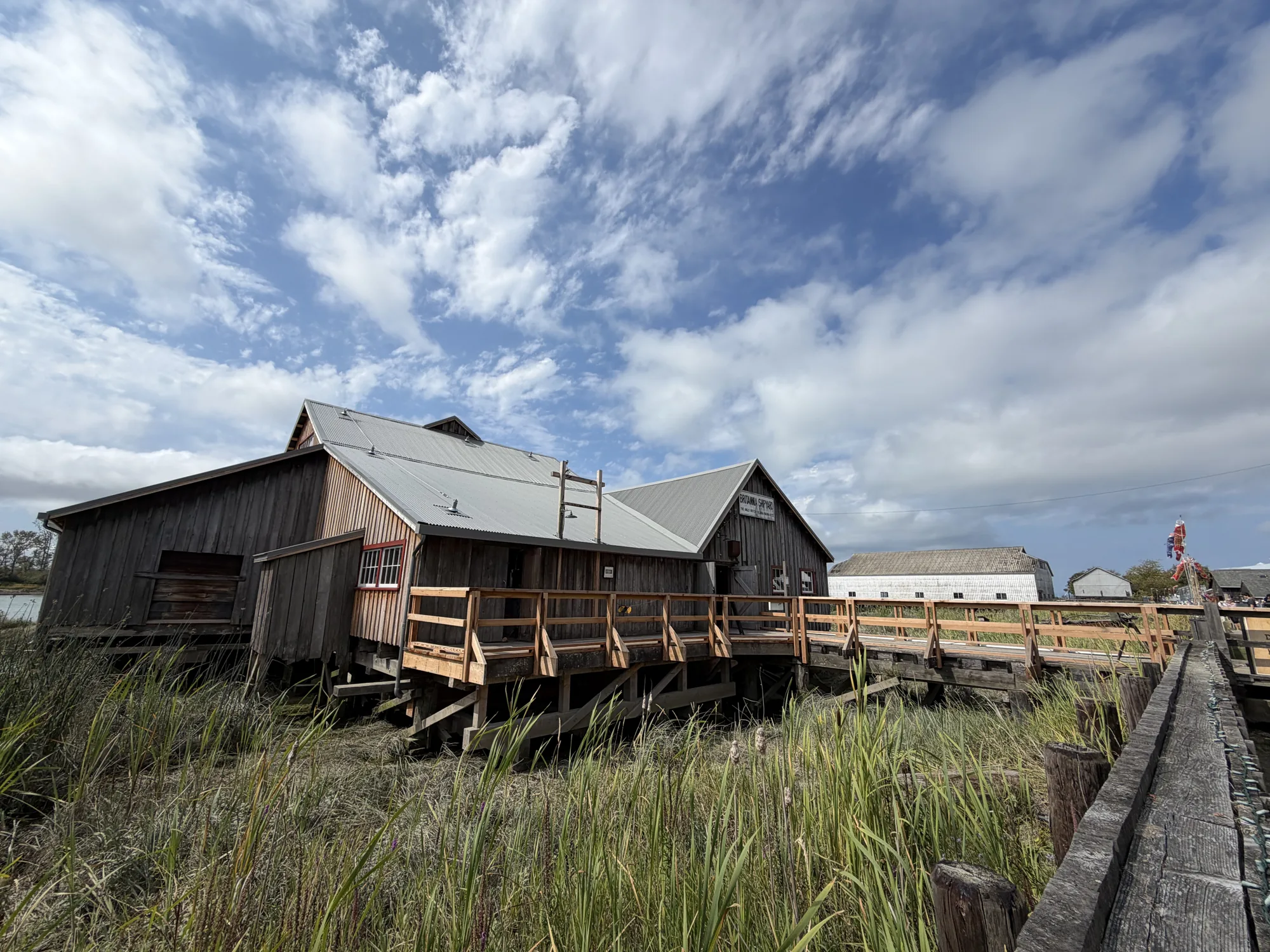
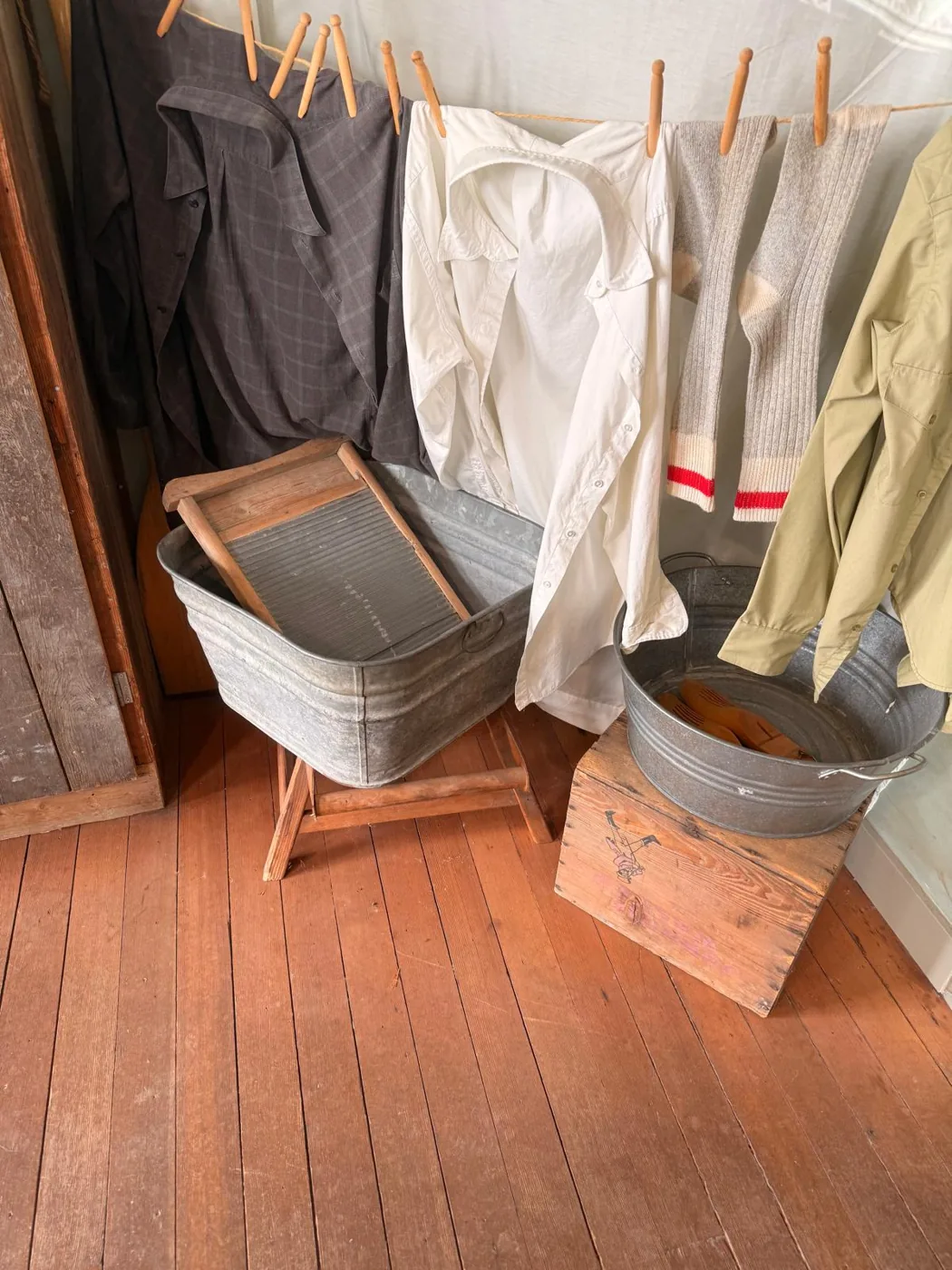
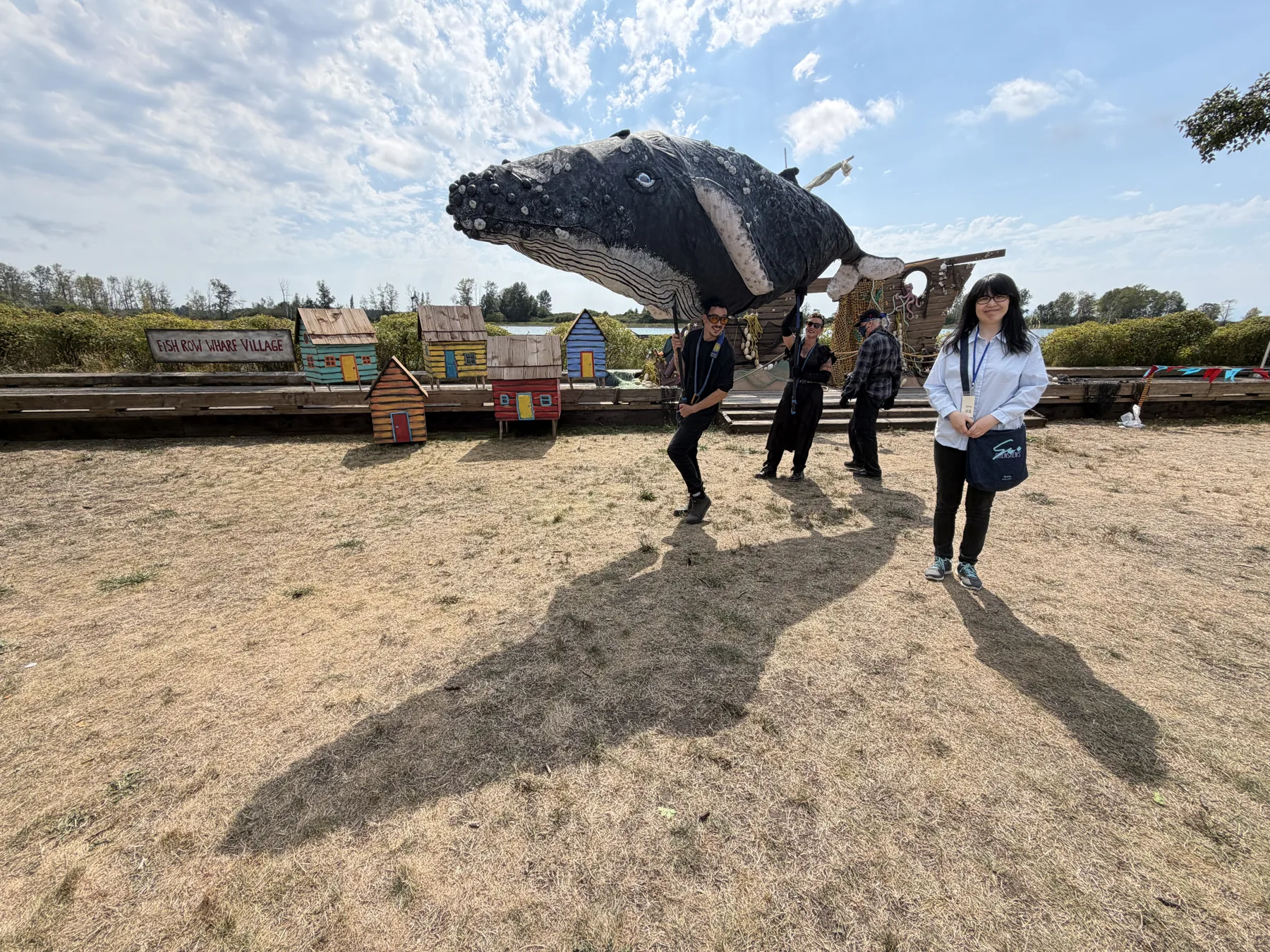
At Britannia Shipyards, the buildings and everyday objects helped us imagine the lives behind the dates. We heard how Indigenous peoples and generations of immigrant workers and families were connected to the river, fishing, boatbuilding, and the cannery industry.
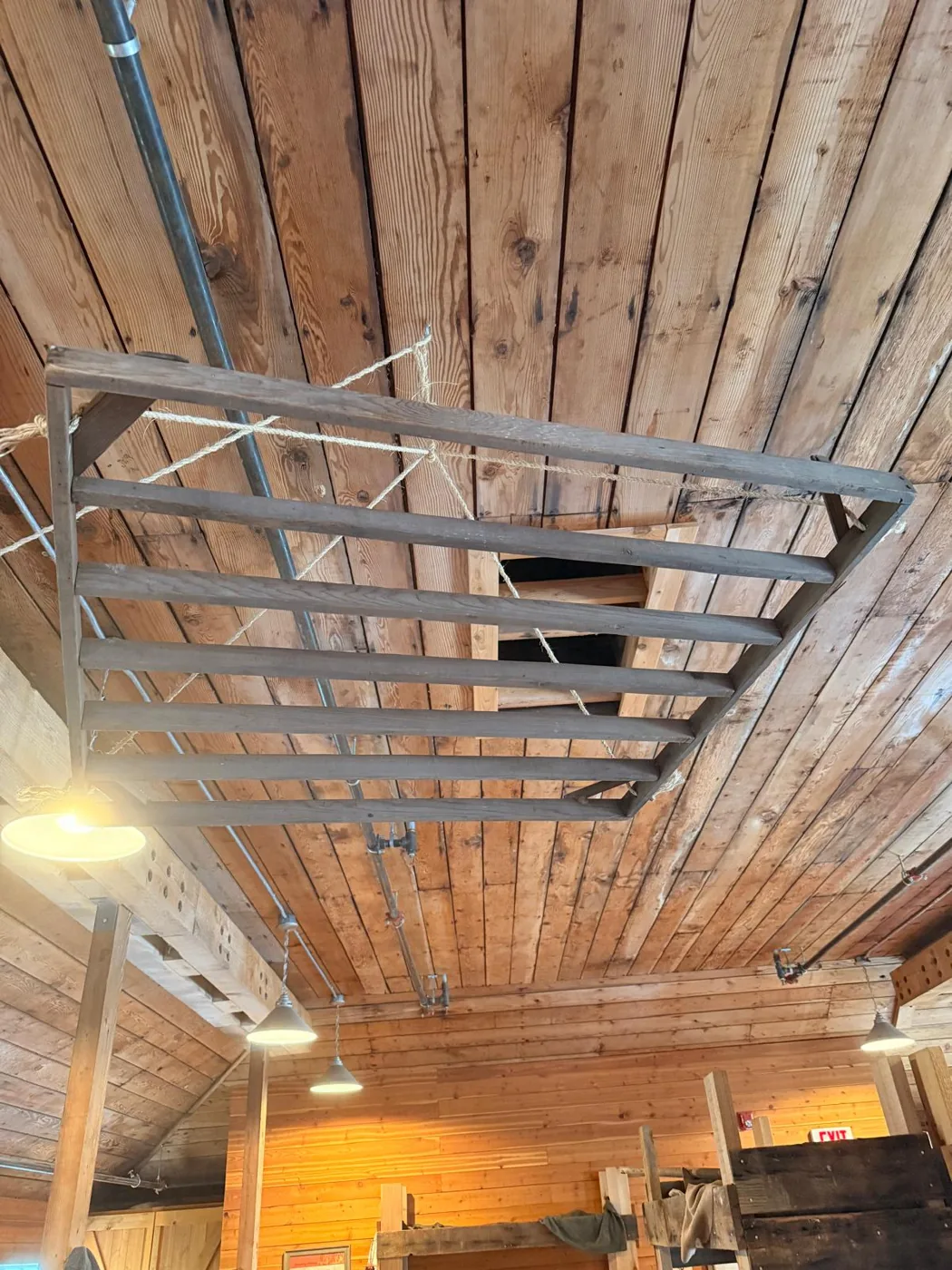
The story of Chinese cannery workers was especially difficult to forget. Many lived in crowded bunkhouses and worked long shifts in cold, wet conditions. Beds could be shared across shifts; hands exposed again and again to fish, water, and salt could become painfully damaged.
We were also reminded that labour did not automatically lead to security. The Chinese Head Tax, barriers to bringing family members to Canada, and limited access to ownership shaped what workers could build from years of hard work. These were not abstract policies. They affected where people slept, whom they could live with, and whether a life built here could be passed to the next generation.
We did not leave with a simple comparison between communities. Chinese and Japanese Canadians both faced racism and dispossession in different ways. What we carried away was a more careful question: after giving so much labour to a place, what opportunities were people actually allowed to keep?